

The Wangduechhoeling Palace complex includes several important historic and sacred structures within its grounds, and the Lingka Lhakhang is one of the most significant among them.
Historically, the main entrance to the palace was located on the northern side of the complex, where 𝘴𝘢𝘯𝘨𝘵𝘩𝘢𝘣 (smoke offering fireplaces) flank both sides of the gateway. Directly opposite this entrance stands the Lingka Lhakhang, situated just to the north of the palace. The Lingka Lhakhang served as the royal family’s private temple until the royal residence moved to western Bhutan.
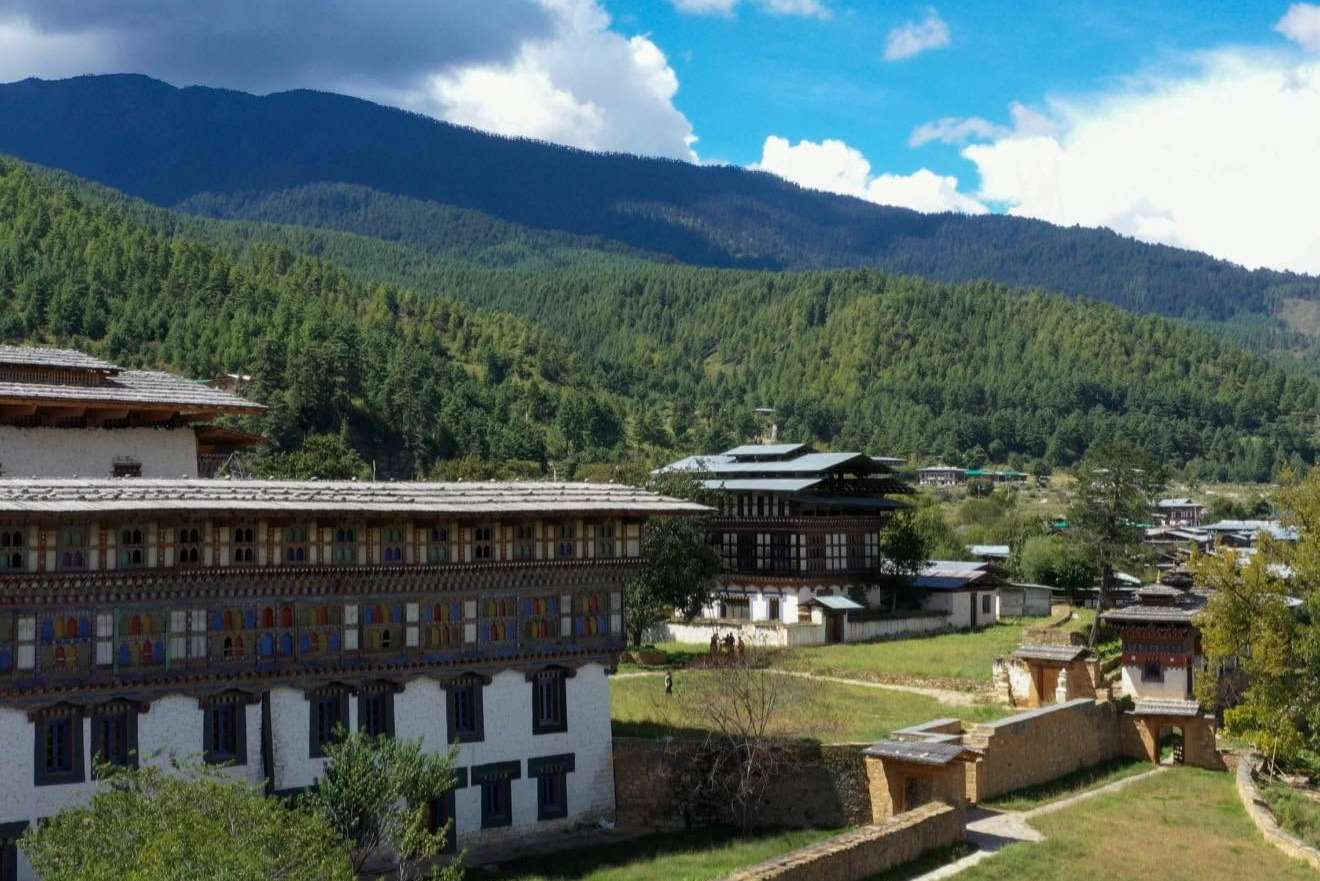
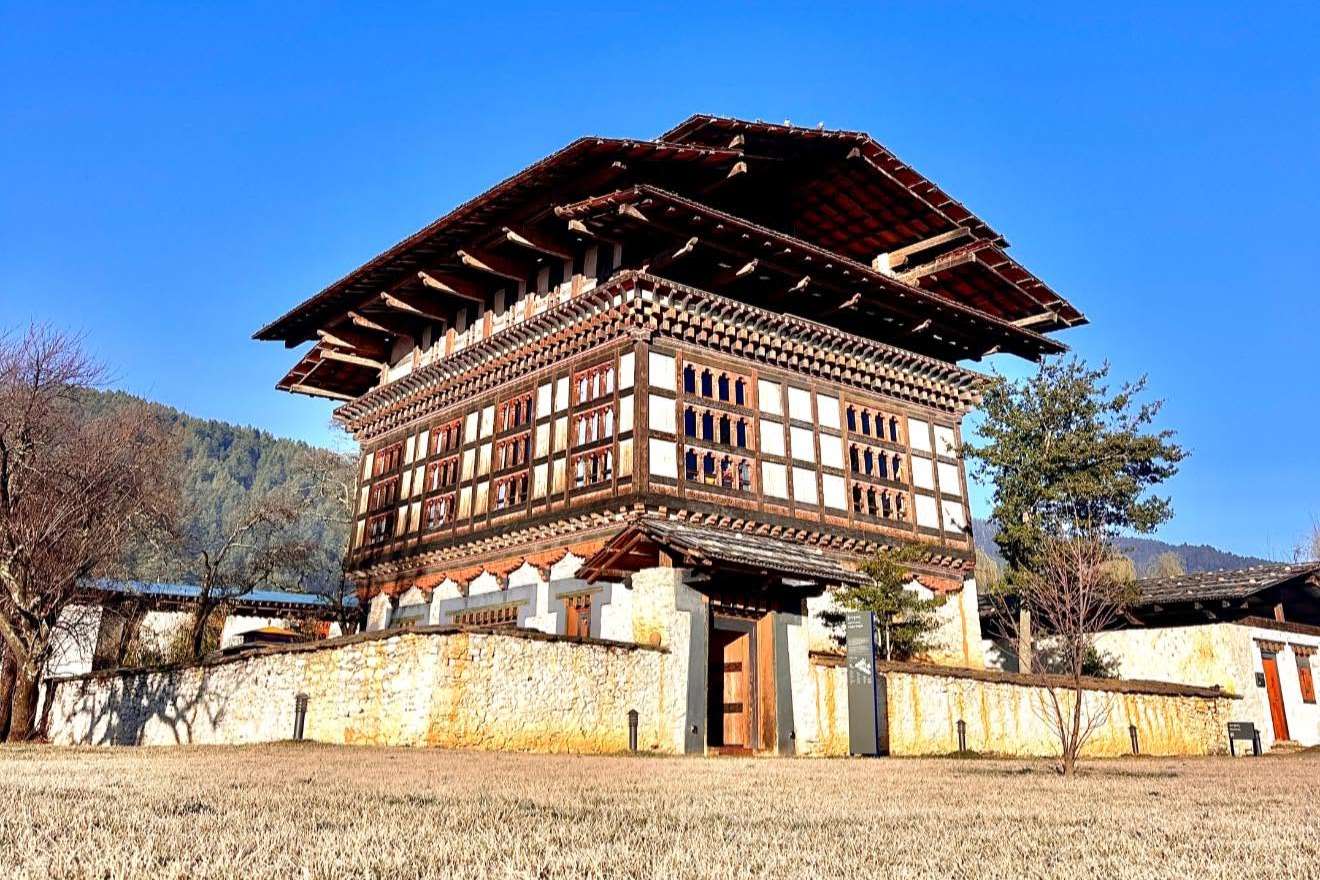
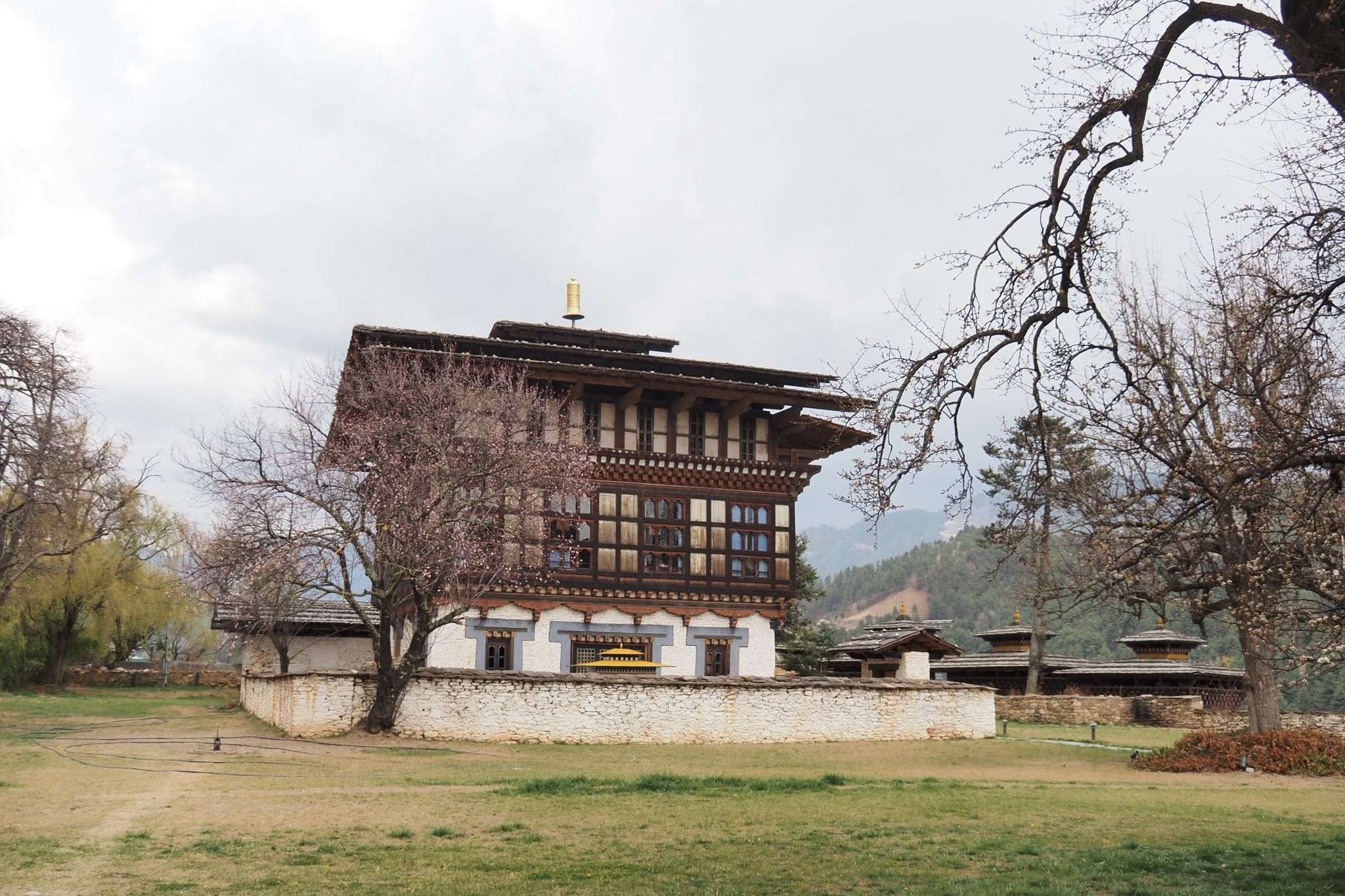
For many years, the Lingka Lhakhang and the 𝘎ö𝘯𝘬𝘩𝘢𝘯𝘨 in the 𝘜𝘵𝘴𝘦 (Central Tower) were cared for by a resident caretaker responsible for performing rituals and making daily offerings. In 2004, a monastic school under the Trongsa Rabdey (Monastic body of Trongsa) was established within the palace precinct, continuing the tradition of religious practice at Wangduechhoeling. Although the monastic school has since been discontinued, a Lam continues to be appointed from Trongsa to perform rituals and make daily offerings.
The Lingka Lhakhang is believed to have been built by Bhutan’s First King, His Majesty Ugyen Wangchuck, around the same time as the temple attributed to him at Kurje Lhakhang. The temple’s principal statue, Guru Nangsid Zilnon, is said to have been sculpted by the same master craftsman who created the statue at Kurje Lhakhang.
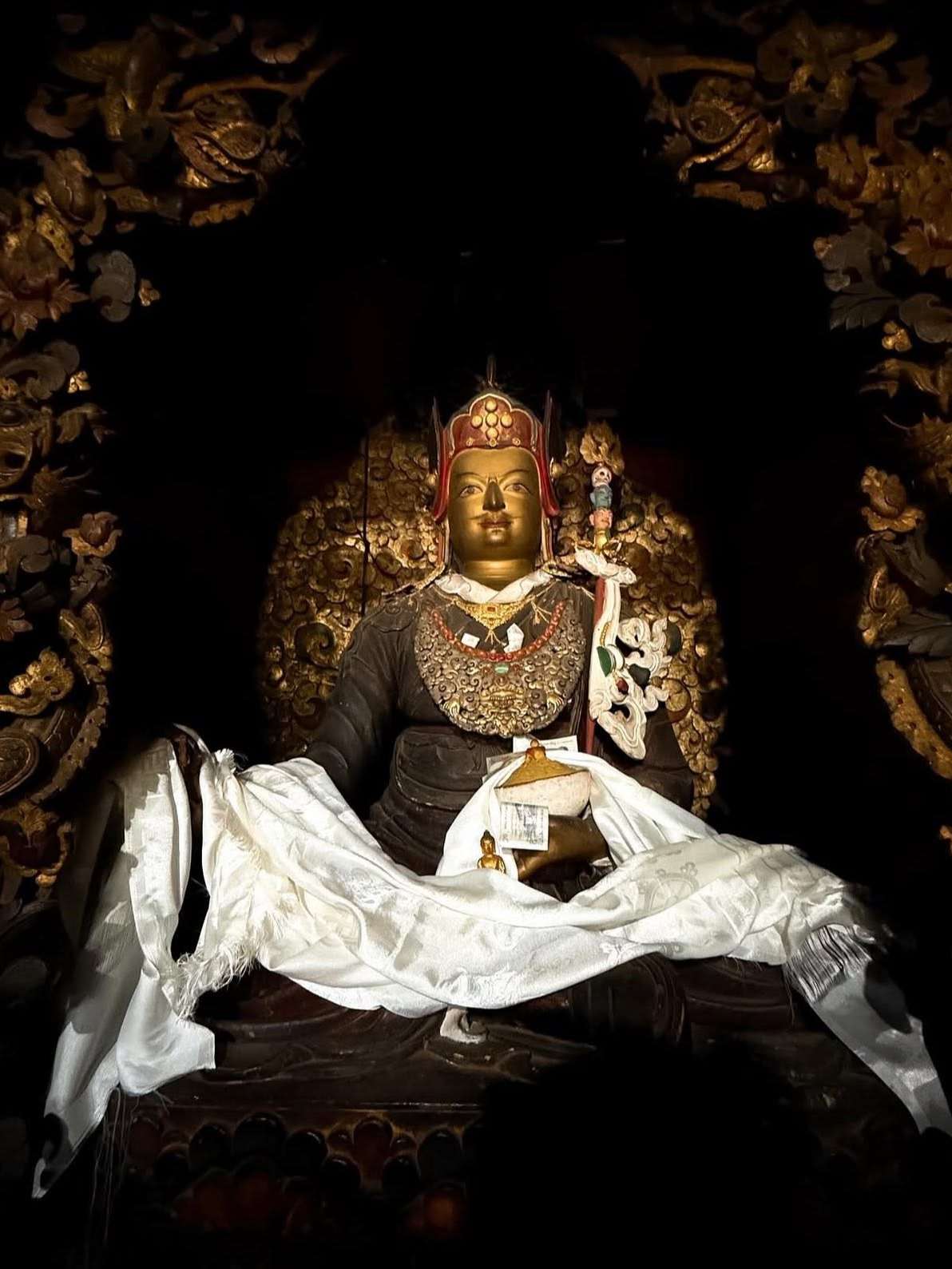
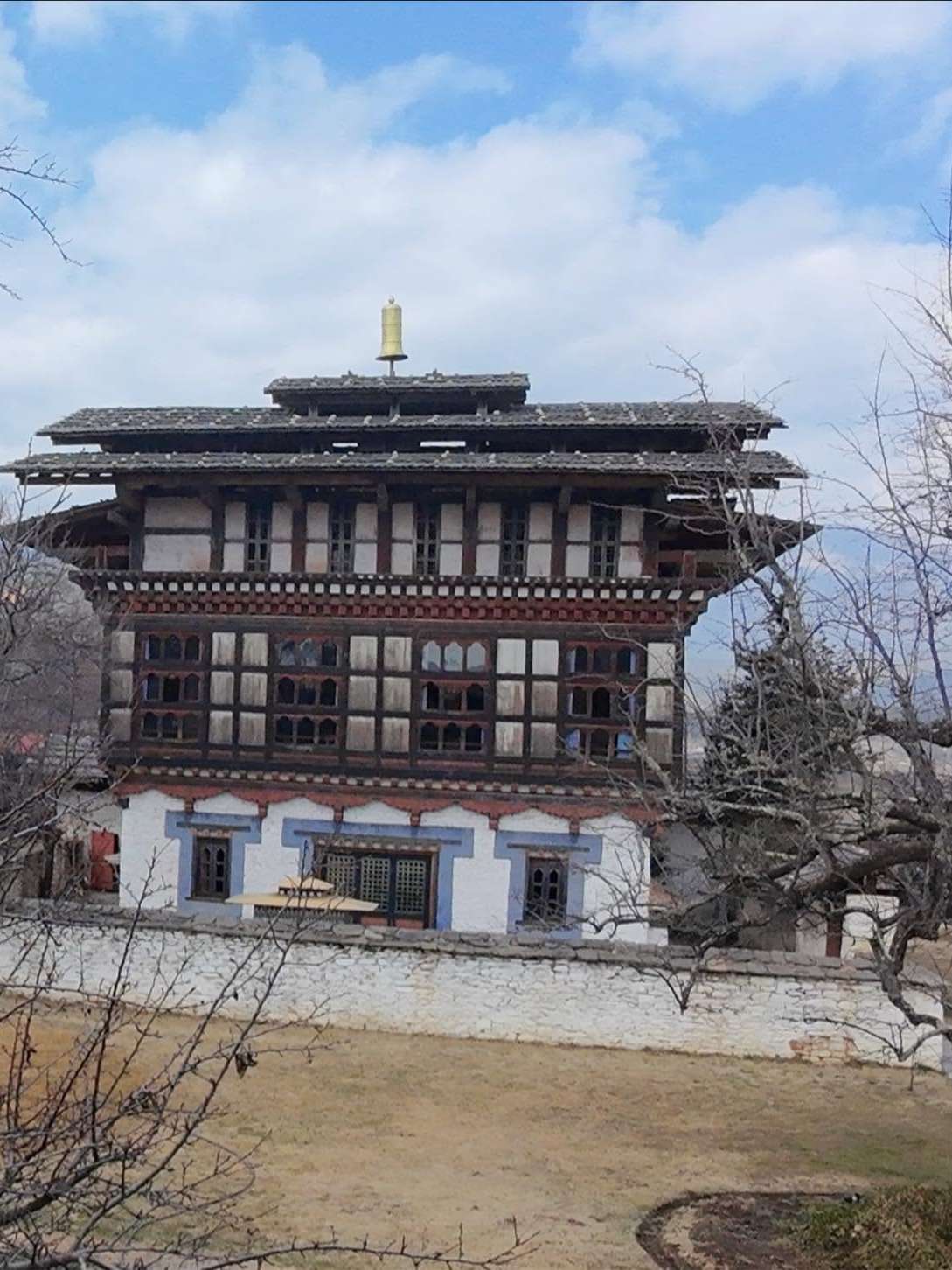
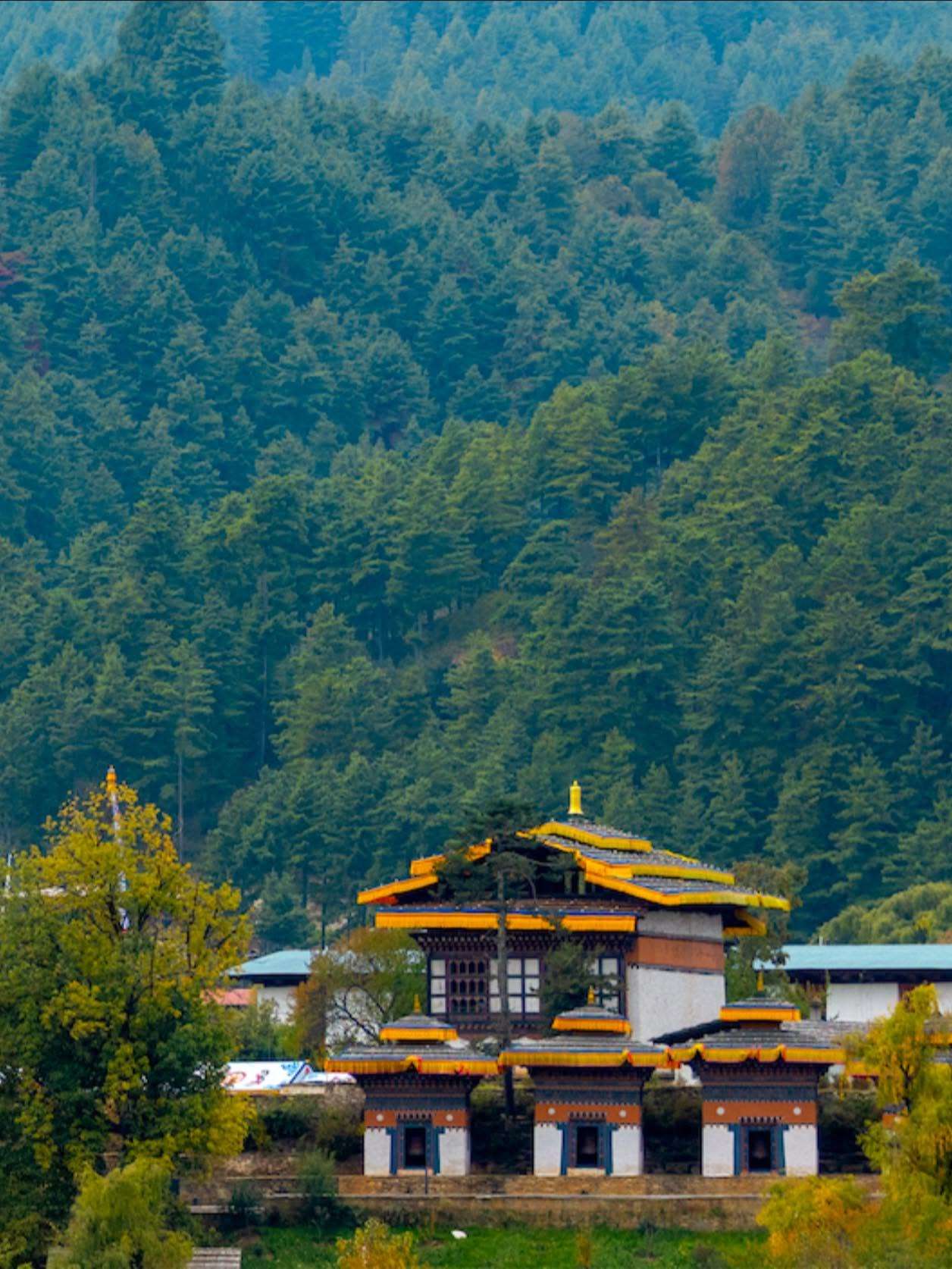
The temple houses the statues of Khenlop Choesum, with Lopen Pema Jugney (Guru Rinpoche) as the central figure, flanked by Khenpo Bodhisattva to his right and Chögyal Thrisong Detsen to his left. It also contains the statues of Tshelha Namsum (the Three Deities of Longevity- Tshepagme (Amitayus), Drolkar (White Tara) and Namgyelma (Ushnisha Vijaya) and a set of Lhasa printed 𝘒𝘢𝘯𝘫𝘶𝘳 (Words of the Buddha).
Today, the Lingka Lhakhang remains a quiet but deeply significant part of the Wangduechhoeling Palace, reflecting the enduring connection between Bhutan’s monarchy, religious traditions, and sacred heritage.
𝘐𝘯 𝘵𝘩𝘪𝘴 𝘴𝘦𝘳𝘪𝘦𝘴, 𝘸𝘦 𝘩𝘪𝘨𝘩𝘭𝘪𝘨𝘩𝘵 𝘪𝘯𝘵𝘦𝘳𝘦𝘴𝘵𝘪𝘯𝘨 𝘰𝘣𝘫𝘦𝘤𝘵𝘴 𝘧𝘳𝘰𝘮 𝘰𝘶𝘳 𝘤𝘰𝘭𝘭𝘦𝘤𝘵𝘪𝘰𝘯 𝘢𝘴 𝘸𝘦𝘭𝘭 𝘢𝘴 𝘯𝘰𝘵𝘢𝘣𝘭𝘦 𝘭𝘢𝘯𝘥𝘴𝘤𝘢𝘱𝘦 𝘧𝘦𝘢𝘵𝘶𝘳𝘦𝘴 𝘢𝘳𝘰𝘶𝘯𝘥 𝘵𝘩𝘦 𝘞𝘢𝘯𝘨𝘥𝘶𝘦𝘤𝘩𝘩𝘰𝘦𝘭𝘪𝘯𝘨 𝘗𝘢𝘭𝘢𝘤𝘦, 𝘴𝘩𝘢𝘳𝘪𝘯𝘨 𝘵𝘩𝘦 𝘴𝘵𝘰𝘳𝘪𝘦𝘴 𝘢𝘯𝘥 𝘩𝘦𝘳𝘪𝘵𝘢𝘨𝘦 𝘣𝘦𝘩𝘪𝘯𝘥 𝘵𝘩𝘦𝘮.