Discover the Palace’s origins, its connection to Bhutan’s spiritual traditions, and its place within the nation’s history.
The Wangchuck Dynasty
Explore the legacy of the Wangchuck family and the Palace’s role in modern Bhutan. Discover the origins and legacy of Bhutan’s monarchy.
Architectural Significance
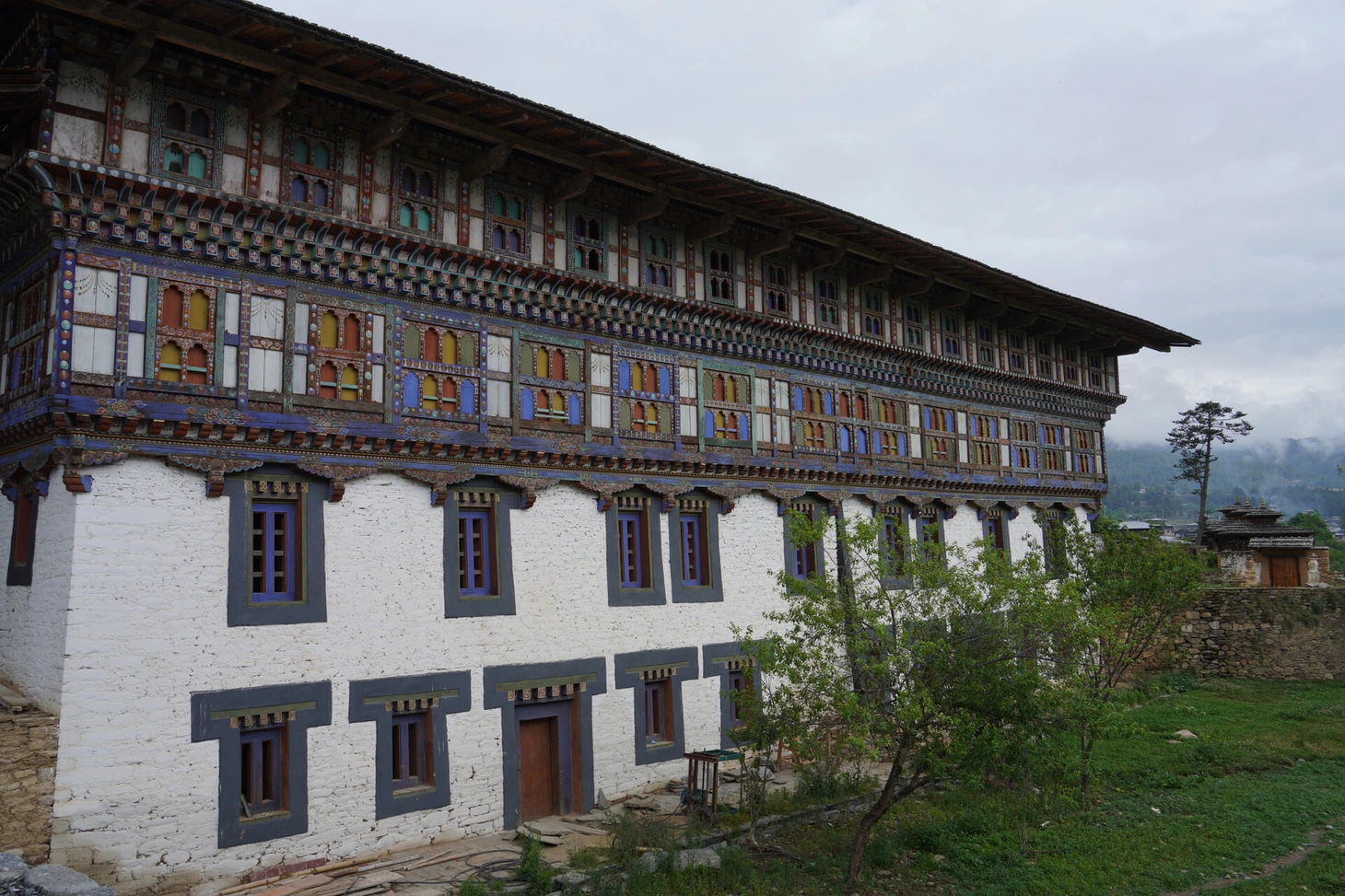
Learn how Wangduechhoeling Palace introduced a new style of royal residence while preserving Bhutanese craftsmanship.
0
Selected works
0
Visitors inspired
0
Now on view
0
Preserved works
A HISTORIC LANDMARK
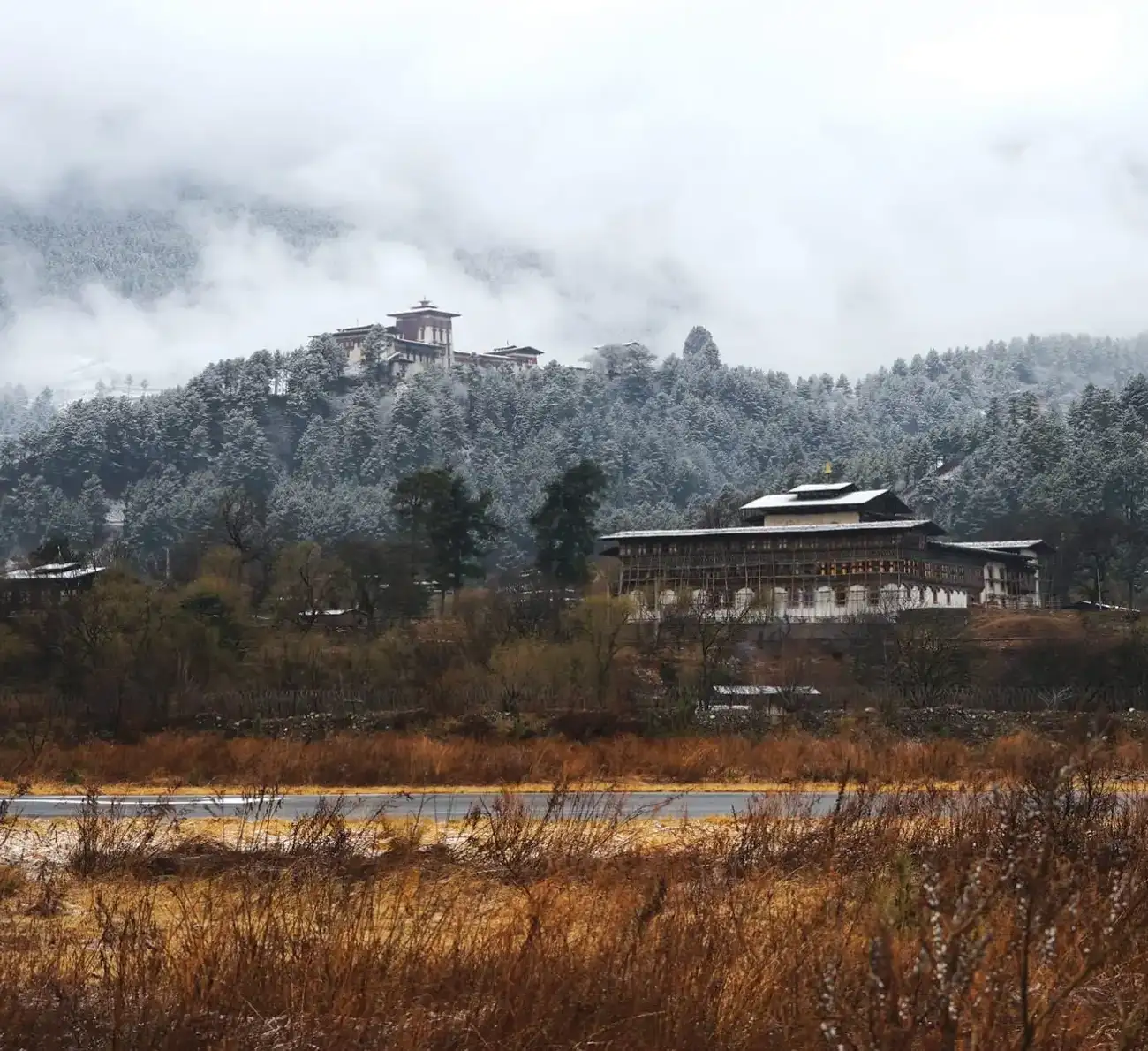
A Palace Shaped by History
For generations, Wangduechhoeling Palace has stood as a witness to Bhutan’s evolving story, from royal beginnings to cultural preservation.
Enduring Inspiration Through Heritage
A place where history, culture, and identity continue to inspire future generations.
LEGACY
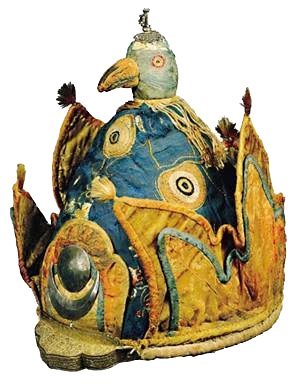
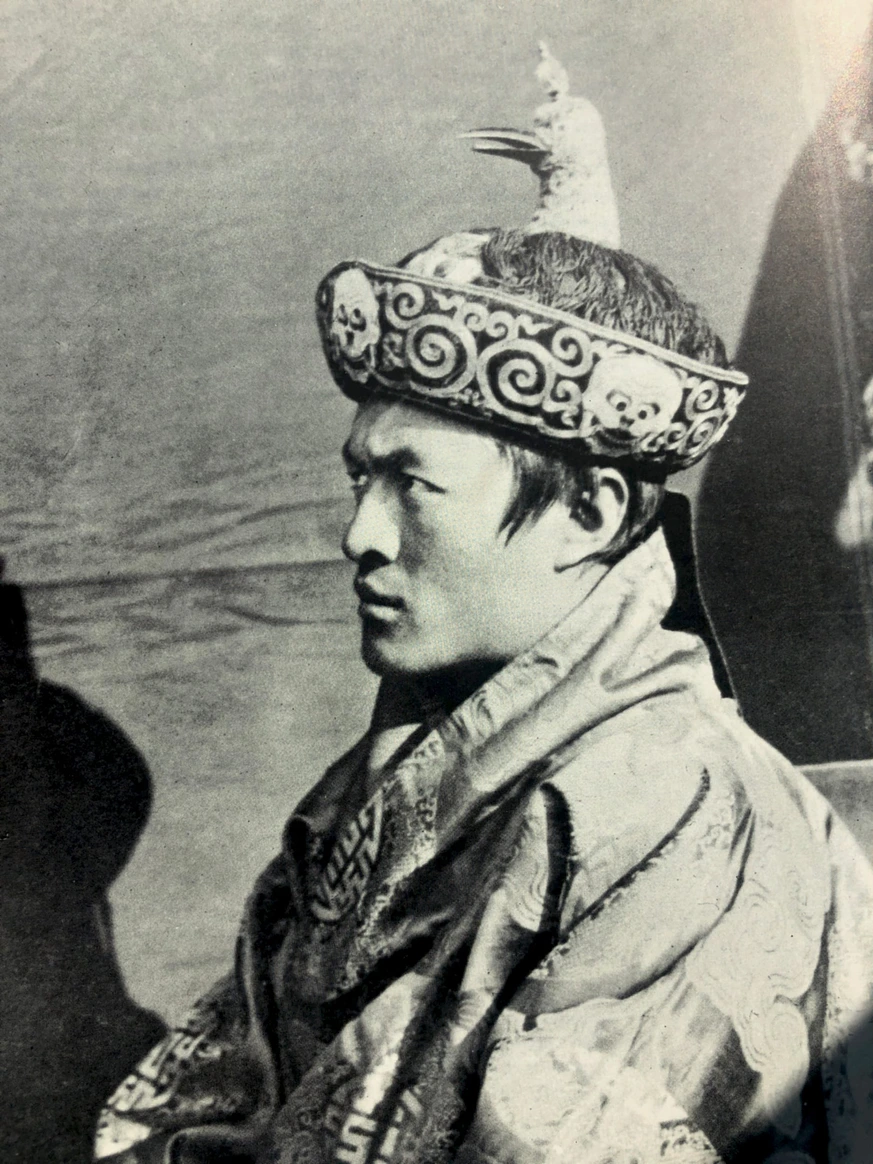
Raven crown worn
by Jigme Namgyel
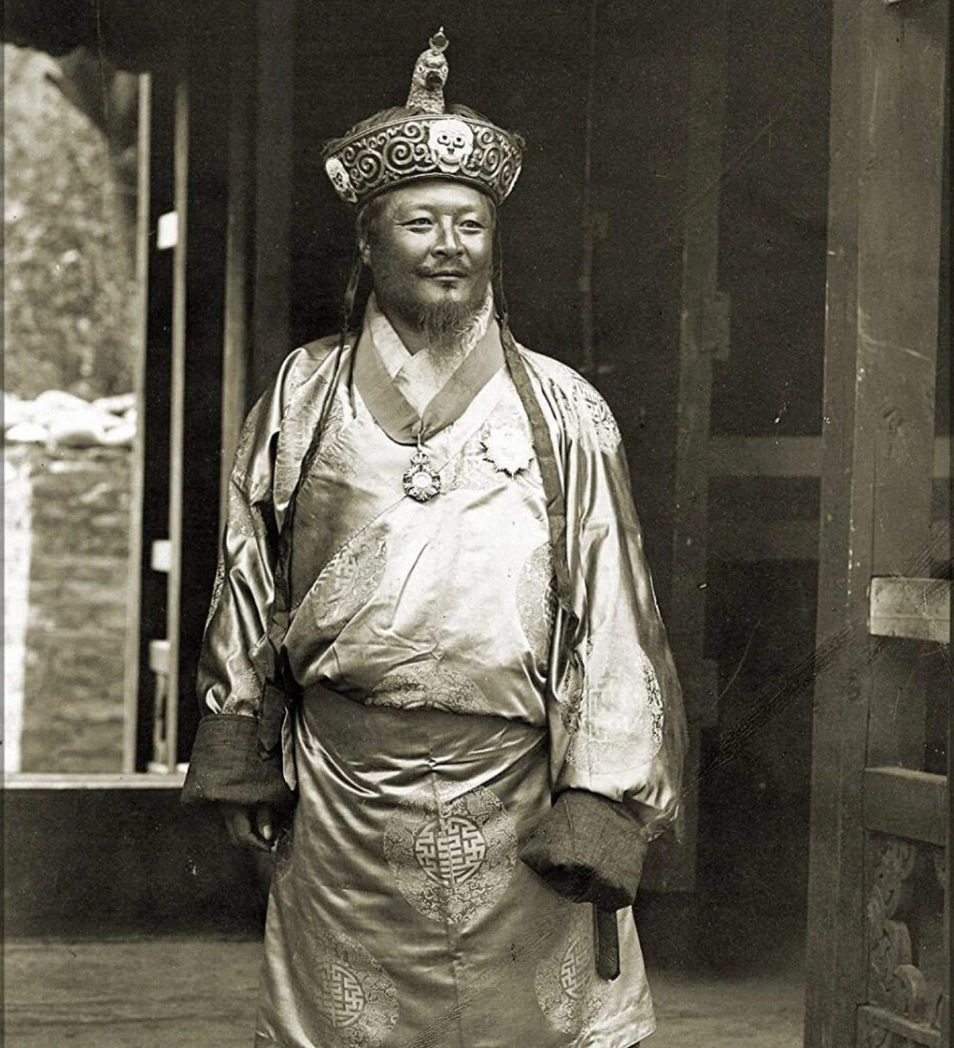
Gongsa Jigme Namgyel, the father of Bhutan’s First King and builder of Wangduechhoeling Palace.
His Majesty Ugyen Wangchuck
Jigme Namgyal’s son Ugyen Wangchuck was born in 1862 in the Wangduechhoeling Palace, where he would later be elected Bhutan’s First King in 1907. After his mother’s death he moved out of the Palace and relinquished it to his sister, Ashi Yeshey Chodron.
Ugyen Wangchuck’s first son and Bhutan’s Second King, Jigme Wangchuck, spent most of his life at Wangduechhoeling Palace. He focused his energy on construction projects, including renovating monasteries and schools across Bhutan.
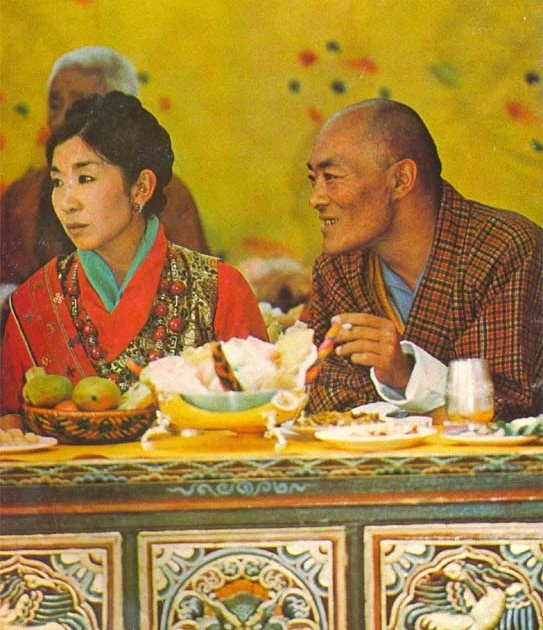
The third king, Jigme Dorji Wangchuck was born in Thruepang palace in Trongsa in 1928 but he also spent a significant part of his life at Wangduechhoeling at the service of his father, the second king, along with his four siblings. After his father passed he moved to Thimphu, leaving the residence to the queen mother, Ashi Pema Dechen, who later handed it over to her eldest daughter, Ashi Choki.
Experience History Firsthand
Walk through the halls of one of Bhutan’s most important historic landmarks and discover the stories that continue to inspire generations.