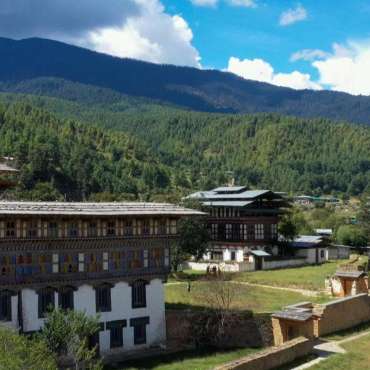
Discover the birthplace of Bhutan’s monarchy, masterfully restored as a living cultural museum.
A Living Legacy
Wangduechhoeling Palace stands as a monumental landmark in Bhutanese history, serving as thebirthplace of modern Bhutan.This former royal seat has been beautifully preserved to share centuries of art, culture, and governance with the world as avibrant cultural hub.
Step Into the Living History of the Kingdom
Featured Exhibitions
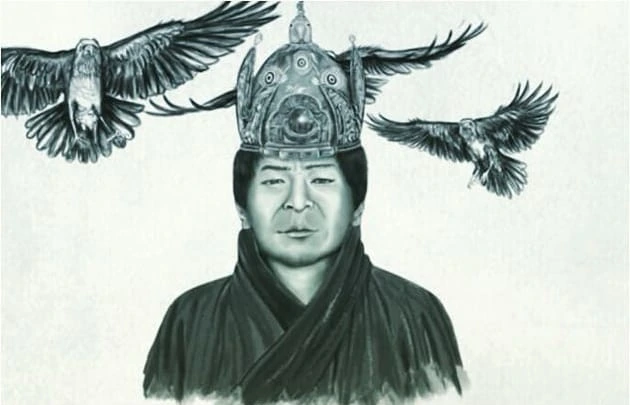
The Court of the Black Regent
Immerse yourself in a dedicated, sensory deep-dive into the life of Gongsar Jigme Namgyel. Discover the weapons, personal journals, and strategic victories that ended decades of civil strife and birthed a dynasty.
Living Restoration
Witness the incredible, multi-year journey of local artisans and international experts working hand-in-hand. Through rare photographs and interactive displays, see how the crumbling estate was meticulously returned to its former glory.
Sacred Monastic Life
Explore the daily rhythms, rituals, and profound responsibilities of the monks residing in the palace’s sacred courtyards. This exhibition bridges the gap between historical governance and living spiritual practice.
Trace the Footsteps of the Kings Who Shaped a Nation
History of the Palace
FOUNDER OF WANGDUECHHOELING
1825 ➔ 1881
01
JIGME NAMGYEL
Gongsar Jigme Namgyel, a national hero and father of Bhutan’s First King, unified the country and laid the foundation for the Wangchuck monarchy. On the site of a key military triumph, he built Wangduechhoeling Palace, naming it “victory” (Wangdue) and “a place rich in Buddhism” (Chhoeling).
His decisive victory in 1857 made him the secular leader of Bhutan, ending two decades of civil strife and paving the way for the dynasty.
FIRST KING OF BHUTAN
1862 ➔ 1926
02
UGYEN
WANGCHUCK
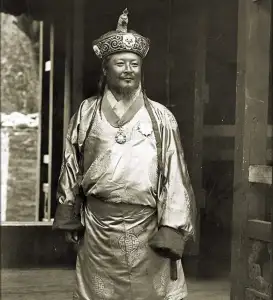
Jigme Namgyal’s son Ugyen Wangchuck was born in 1862 in the Wangduechhoeling Palace, where he would later be elected Bhutan’s First King in 1907. After his mother’s death he moved out of the Palace and relinquished it to his sister, Ashi Yeshey Chodron.
SECOND KING OF BHUTAN
1905 ➔ 1952
03
JIGME
WANGCHUCK
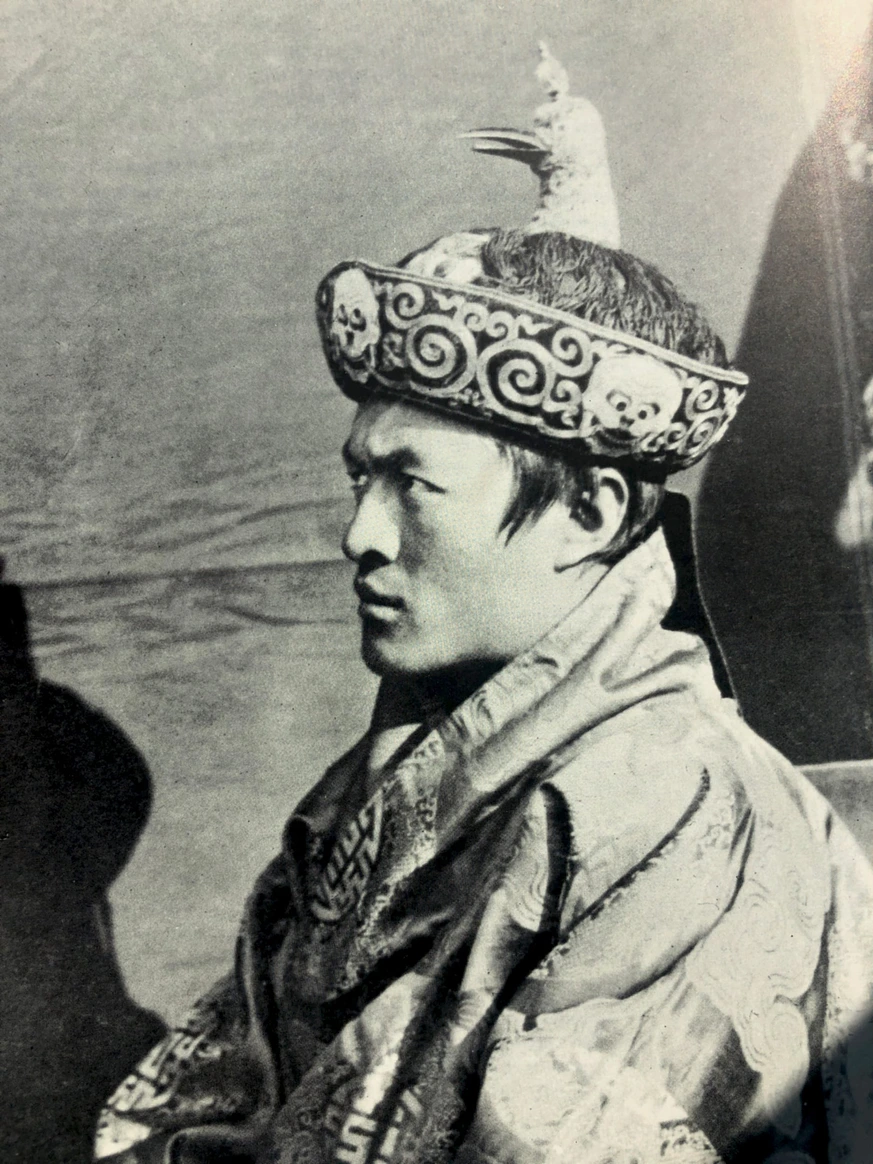
Ugyen Wangchuck’s first son and Bhutan’s Second King, Jigme Wangchuck, spent most of his life at Wangduechhoeling Palace. He focused his energy on construction projects, including renovating monasteries and schools across Bhutan. He initiated the annual Mela festival on the Palace grounds, for which Bhutanese citizens from across the country gathered. It was under Jigme Wangchuck’s reign that Wangduechhoeling Palace became the seat of Bhutan’s governance.
THIRD KING OF BHUTAN
1928 ➔ 1972
04
JIGME DORJI
WANGCHUCK
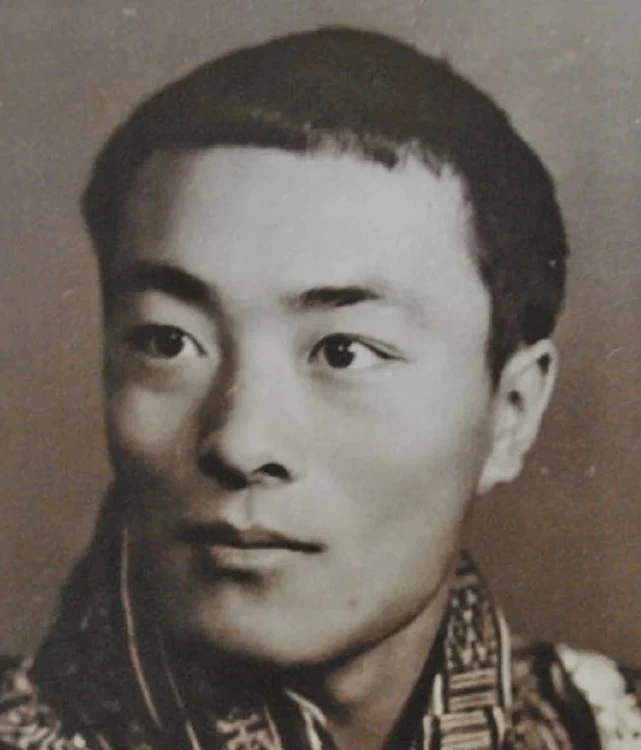
The third king, Jigme Dorji Wangchuck was born in Thruepang palace in Trongsa in 1928 but he also spent a significant part of his life at Wangduechhoeling at the service of his father, the second king, along with his four siblings. After his father passed he moved to Thimphu, leaving the residence to the queen mother, Ashi Pema Dechen, who later handed it over to her eldest daughter, Ashi Choki. Few additions were made during this period beyond the construction of five chukor manis where there was previously one.
Inspiring the Next Generation of Heritage Guardians
Education & Outreach
For Schools
Research
Living Arts
Stay Connected with the Living Legacy of the Palace
Help us protect Bhutan’s royal heritage for generations to come. Your contribution supports ongoing restoration, artifact conservation, and cultural education programs at the palace.
Discover the birthplace of Bhutan’s monarchy, masterfully restored as a living cultural museum.
A Living Legacy
Wangduechhoeling Palace stands as a monumental landmark in Bhutanese history, serving as thebirthplace of modern Bhutan.This former royal seat has been beautifully preserved to share centuries of art, culture, and governance with the world as avibrant cultural hub.
Step Into the Living History of the Kingdom
Featured Exhibitions
The Royal Court
Relive the dawn of Bhutan’s monarchy.
Sacred Masterpieces
Explore preserved religious art and treasures.
Architectural Marvels
Uncover the timeless craftsmanship of the palace.
Featured Exhibitions
FOUNDER OF WANGDUECHHOELING
1825 ➔ 1881
01
JIGME NAMGYEL
Gongsa Jigme Namgyel, the father of Bhutan’s First King and builder of Wangduechhoeling Palace, is a national hero who unified the country and set the stage for the establishment of the Wangchuck monarchy.
From a young age he fought as a soldier in multiple conflicts, including against the British and against other feudal lords to establish himself as a provincial governor. He built Wangduechhoeling Palace on the site of one of his key victories against another province’s governor. Wangdue means “victory,” and Chhoeling means “a place rich in Buddhism.”
In 1857, a dramatic battle resulted in Jigme Namgyel becoming the secular leader of Bhutan, ending two decades of civil strife and paving the way for the establishment of the Wangchuck Dynasty.
Dynamic WWII exhibition spaces
1939 ➔ WWII
02
WWII trusted expertise
Our team restores, conserves, and protects WWII artifacts with skill. We use the best tools and methods to preserve history.
Expert insights on warfare
2025 ➔ Modern conflicts
03
Programs on modern warfare
We craft programs that unite history, learning, and the public. Our efforts spark engagement, preserve heritage, and support understanding in every visit.
Expert insights on warfare
2025 ➔ Modern conflicts
03
Programs on modern warfare
We craft programs that unite history, learning, and the public. Our efforts spark engagement, preserve heritage, and support understanding in every visit.
Help our zoo & botanical garden grow as a place of conservation and learning. Donations support wildlife care, botanical research, and environmental education.